Rethink Drink: Sinclair Method Coaching and Clinical Support in the UK

Stop fighting alcohol.
Start rethinking it.

Stop fighting alcohol.
Start rethinking it.

Doctor-led treatment. Coach-led change. All from home.

“I went from a bottle of wine every night to having a few at weekends. I can take it or leave it now.” · Diane, UK “From 70–100 units a week to 0–15 in four months. Calm progress, not white-knuckle.” · Lainey B, UK “Six months ago I was at 100 units a week. I’m around 30 now and I have a choice.” · Eve R, UK “Nearly every day drinking to being in control. This changed my life.” · R, UK “Eight weeks in: fewer units, AF days, and I can handle social events without anxiety.” · Sherry S, UK “It just works. I feel like I control alcohol now, not the other way around.” · Alex, UK

Individual experiences of Rethink Drink and The Sinclair Method may vary.

What is The Sinclair Method, and why Rethink Drink?

Science that helps cravings lose their grip

Alcohol becomes hard to control because your brain begins to link drinking with a powerful feel good signal. Over time, it starts expecting that signal before you even take a sip. With the right medically supervised treatment taken before drinking, that reward signal is dampened, and the desire to drink starts to ease. No shock detox. No white knuckle struggle. No shame. Just a modern, evidence based approach grounded in neuroscience and clinical research.

Change your drinking without quitting your life

You stay in your normal routine while the brain adapts. No residential stays. No disappearing from your family or work. No avoiding situations, no dodging social events, and no feeling like you're missing out. This approach is designed for people with responsibilities, relationships and careers. Progress builds gradually, letting you keep control as the change takes hold.

Medication is only half the story

Biology plays a role, but habits, routines, stress and environment play an equal one. Our coaches help you change the patterns that used to drag you back. You get lived experience guidance, structure, accountability and practical tools that turn brain change into behaviour change. Most people never change these patterns. That's why they stay stuck. This is the part we've mastered, and specialise in helping you change.

What we actually do

We coach people through the part that decides whether change sticks: the habit, routines, triggers, the Friday night after a bad week. The medical side sits with Professor Chick, and our partner pharmacy dispenses. No shame, no lectures, and no promises we can't keep. If you want a team in your corner that's ahead of the curve, you're in the right place.

Trustpilot logo
Men's Health Logo
The Sun Newspaper Logo
Women's Health Logo
Google News Logo
Trustpilot logo
Men's Health Logo
The Sun Newspaper Logo
Women's Health Logo
Google News Logo

Ready For Change?

Clinical Expertise

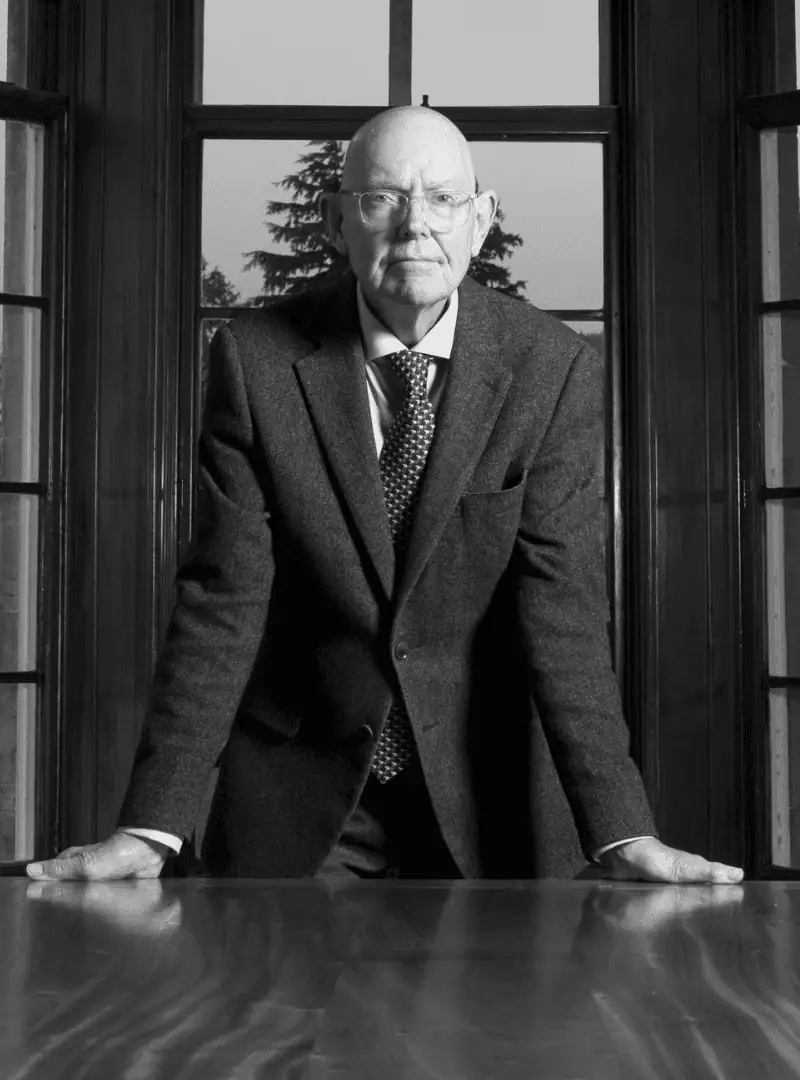
Professor Jonathan Chick is a consultant psychiatrist, researcher in alcohol dependence and former editor-in-chief of the journal Alcohol and Alcoholism.

He holds clinical oversight at Rethink Drink, carries out medical consultations, and decides treatment suitability.

Photo of Professor Jonathan Chick, Principal Researcher on multiple clinical trials related to The Sinclair Method and alcohol dependence.

“When an opioid antagonist is taken in combination with psychosocial support, many of my patients find they are better able to stop after one or two drinks, to build more alcohol-free days, and to gradually extinguish long-held cravings.

Programmes such as Rethink Drink provide the coaching, guidance, accountability, and structured support that make this possible.”

Professor Jonathan D Chick, MA (Cantab), MBChB, MPhil, DSc, FRCPE, FRCPsych
Registered with the GMC, Specialist Register GMC Reference Number: 1326952

Photo of Professor Jonathan Chick, Principal Researcher on multiple clinical trials related to The Sinclair Method and alcohol dependence.

Consultant Psychiatrist and leading researcher in alcohol dependence

Professor Chick has spent more than 30 years at the forefront of alcohol research and clinical practice.

He has held senior academic and clinical roles, published extensively in peer reviewed journals, and served as Chief Editor of Alcohol and Alcoholism, the official journal of the Medical Council on Alcohol.

He has been recognised internationally for his contribution to the field and continues to advise on clinical practice, research and policy.

Below, he provides a clinical overview of how medication supported approaches may help people reduce their drinking and why structured support remains important.

How medication can help people reduce their drinking

Medication used under medical supervision can reduce the strength of the reward response that alcohol produces.

For some individuals, this means they may find it easier to stop after one or two drinks instead of continuing.

Many people also report that, over time, they experience more alcohol free days and feel more in control of their decisions around drinking.

Research suggests that when this type of medication is taken ahead of drinking as directed by a doctor, the learned associations

that drive urges can begin to weaken.

One of the brain pathways involved in reward and reinforcement is also associated with opioid based substances.

This medication blocks that pathway, but studies show it does not interfere with general pleasure or enjoyment.

The importance of support alongside medication

Medication alone is not considered sufficient for preventing a return to heavier drinking.

People often benefit from guidance to help them understand and manage emotional, situational or social triggers.

In all major research trials where this type of medication was shown to be effective, it was used in combination with structured counselling or support.

Programmes such as Rethink Drink provide coaching, guidance, accountability and a supportive framework that complements the medical aspect.

Who might not be suitable for this medication?

Suitability must always be assessed by a prescribing doctor.

There are situations where this medication may not be recommended, such as pregnancy, certain medical conditions, or current use of opioid based medication.

Doctors will carry out an assessment and may take routine blood tests before prescribing, as part of safe medical monitoring.

Possible side effects

Clinical trials have identified some commonly reported side effects such as nausea, headache, dizziness, fatigue and sleep changes.

These effects are usually mild and short lived, although a small number of people may experience more persistent symptoms.

A prescribing doctor will discuss possible side effects, answer any questions, and advise on the safest course of action based on individual medical history.

Is this medication addictive?

No.

This type of medication is not considered addictive, does not produce withdrawal symptoms when stopped, and does not lead people to increase the dose.

Important note

This information is provided for educational purposes only and is not a substitute for medical advice.

All medication decisions must be made in consultation with a qualified prescribing doctor.

Keep your social life

No need to stop
cold turkey

Progress tracked, week by week

Private, in the comfort of your home

Clinical oversight

Sceptical? Good.

You should question any claim about alcohol treatment, including ours. So here are both sides of the story: what the research shows, and what real people say.

The research: in controlled trials, people taking the medicine before drinking cut their heavy drinking more than people taking a placebo, and it worked best alongside support to build coping skills. That's why coaching sits at the centre of what we do, alongside medical decisions made by our Clinical Lead, Professor Jonathan Chick.
See what the research shows, and where the famous 78% comes from

Real experiences from people who chose a modern,

evidence-based path

Our programme works best when paired with commitment, support and consistency.

These stories show what’s possible.

These are individual reviews, not typical results.

Don’t take our word for it. Read the reviews →

You've tried. That's not the problem.

You've cut down before. Dry January. Weekday rules. "Just the two tonight." It works for a while, then the old pattern creeps back and you blame yourself. Not disciplined enough. Not strong enough. But you run a job, a home, a life. Discipline was never what was missing. Nobody gave you a way to change what's going on underneath. You didn't fail. The approach did.

The science no one explained to you

Drinking releases endorphins, and your brain learns to want more of what feels good. Every drink strengthens that link. That's why the desire to drink can shout louder than your best intentions, and why willpower ends up fighting the same battle every night. The Sinclair Method works on the link itself. For many people, the desire gets quieter over time. It's unlearning, not white-knuckling.

A different way in

No quitting overnight. No avoiding the pub, the barbecue or your mates. A proper medical consultation to see if treatment is right for you, then coaches who get it, several of whom have been exactly where you are, working with you week by week. Private. Built around real life. Progress, not perfection. Your goal is your goal. Control is the goal.

How Can We Help?

Everyone starts in a different place.
What matters is taking the next step that fits you.

Want to Know More?

Discover The Sinclair Method in our free mini-course. Start today.

Need to talk it through?

Book a no-obligation discovery call.

Get your questions answered.

Ready For Change?

Start your transformation.

Control is the goal.

The Cost of Drinking?

Alcohol carries many costs that don’t show up on a bank statement:

Health. Energy. Mood. Relationships. Headspace. Time.

But money is one part of the reality that can be measured.

I spend
£
every
Per month (≈)
£0.00
Per year
£0.00

Seeing the numbers laid out like this often creates a quiet shift.

Not panic. Not pressure. Just perspective.

And when perspective changes, the conversation can change.

Not sure what your next step should be?

If you’re still weighing things up and aren’t ready to talk things through, there are plenty of other ways to get the answers you need.

Talk it out with Victor, our AI Assistant: explore your options quietly and at your own pace, Victor is ready to chat, send you free resources or even arrange a call with one of the team.

If typing is more your thing, you can drop us a message, email, or chat with us directly on WhatsApp.

You’ll find all of these options over on our Contact Page.

every journey begins with a single step

Backed by research. Carefully supported.

This approach isn’t new, experimental, or built on willpower alone.

It’s grounded in over 35 years of research and a growing understanding of how alcohol changes the brain, and how those changes can be safely addressed with the right medical support.

That research shows alcohol use disorder isn’t a failure of discipline, character flaw or lack of willpower.

It’s a progressive neurological condition, shaped by learning, repetition, and reward.

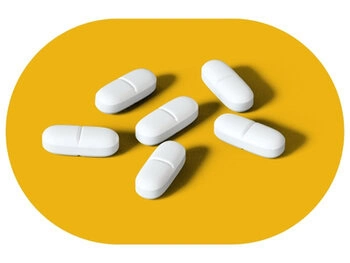
Photo of Sinclair Method Medication, Naltrexone

Long-Established Medication

The Sinclair Method uses a long-established prescription medicine, studied in alcohol research for decades.

Everything is done under medical oversight, with safety, suitability, and ongoing support built in from the start.

That's the difference when you choose Rethink Drink.

Illustration of network of people connected together with lines

Led By Experience, Backed By Expertise

Our team brings together medical oversight, behavioural coaching, and lived experience of change.

You’re not just handed medication and left to figure it out:

You’re supported by people who understand both the science of The Sinclair Method, and the reality of changing your relationship with alcohol.

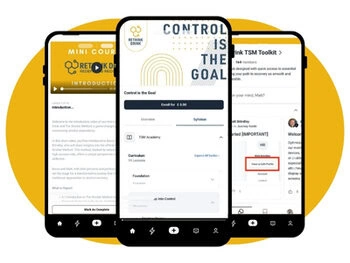
Screenshots of Rethink Drink's Sinclair Method Coaching app

Stay On Track With The App

⁠Learn at your own pace, in your own time, in the privacy of your own home.

Access ongoing coaching, guidance, and a supportive community of people walking the same path.

Everything is designed to help you build consistency and progress in real life, not just understand the theory.

Taken together, this gives us evidence-based ways to interrupt those patterns using prescription medication, prescribed after a proper medical consultation, alongside structured, human support.

There’s no one-size-fits-all answer when it comes to alcohol.

But when treatment works with the brain instead of fighting it, change becomes far more achievable.

That’s why we approach alcohol use disorder as neurological, and why support is built around how the brain actually works.

The Sinclair Method is a medical approach to a neurological condition, delivered with human support powered by Rethink Drink.

If You're still here, this matters

You haven’t read this far by accident.

Something on this page has resonated,

which usually means part of you knows change is possible.

We know that feeling.

Because we’ve been here too.

You don’t have to rush this.

But you also don’t have to keep carrying it on your own.

Most people who find their way here have tried everything they were told should work.

They’ve tried willpower.

They’ve tried rules.

They’ve tried stopping, avoiding, promising, resetting.

And when the same result keeps coming back, it starts to feel risky to try again.

What makes this different isn’t just The Sinclair Method.

It’s the outcome.

This isn’t about avoiding alcohol for life.

It’s about getting your choice back.

Real freedom isn’t white-knuckling your way through life.

It’s being able to take it or leave it,

without the fight,

without the constant desire to drink,

without alcohol calling the shots.

You’ve already built a life with alcohol on your back.

Just imagine what’s possible when it’s no longer weighing you down.

Choose the step that fits where you are right now.

And let the rest unfold from there.

"I get it. I’ve been exactly where you are"

I didn’t look like someone who had a problem.

I was still showing up for work.

Smiling and laughing it off.

Pretending things were ok.

I knew alcohol had more of a say than I wanted.

But I couldn’t maintain the changes I was trying to make.

My evenings were almost identical, following the same loop.

Drinking to switch off.

Not being able to sleep without it.

Waking up at 3am, full of regret

I’d let Dani & the kids down again

“Why can’t I get a handle on this?”

Tomorrow will be different.

I tried willpower, breaks, rules, promises, declarations and resets.

Nothing touched the desire to drink underneath it all.

It would take over my thoughts, and turn everything into a battle.

I was exhausted from fighting.

This wasn’t like me. I’m someone who gets things done.

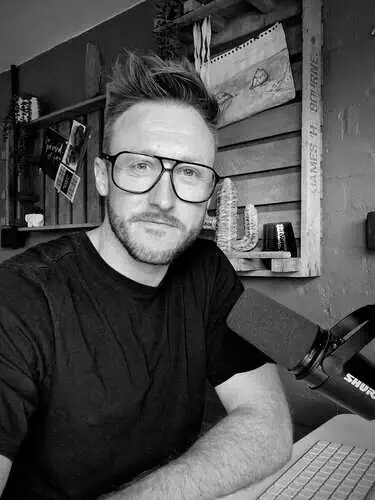
Photo of Matt Brindley, co-founder of Rethink Drink and UK Sinclair Method Expert.

Matt Brindley, Co-Founder

What changed wasn’t more effort, willpower or trying harder;

I discovered The Sinclair Method.

It was understanding the science behind what I was experiencing and discovering a solution that explained why nothing else had worked.

Once the noise quietened, space appeared.

Space to choose.

Space to change.

Space to be me again.

Taking control away never worked for me.

It just created more resistance.

It was about getting control back.

And when you’re in control, something unexpected happens.

You don’t have to force change.

You choose it.

Rethink Drink was built from that experience.

Want to Know More?

Discover The Sinclair Method in our free mini-course. Start today.

Want to talk it through?

Book a discovery call.

Get your questions answered.

Ready For Change?

Start your transformation.

Control is the goal.

The Sinclair Method in the UK: your questions, answered

About Rethink Drink

What is Rethink Drink?

Rethink Drink is a UK coaching programme for people changing their relationship with alcohol, using The Sinclair Method (TSM). We focus on the behavioural and habitual side of change; prescribing clinicians make every medical decision, and a partner pharmacy dispenses.

It's designed for people who want to change how they drink and are looking for a different approach from the ones they've been offered before.

How does Rethink Drink work?

It meets you where you are. You don't have to pick up the phone, and we won't ask you to change everything overnight.

  • Start in your own time. Our free mini-course explains The Sinclair Method from the beginning, privately, at your own pace.
  • If it feels right, on sign-up you complete a medical questionnaire and then have a private consultation with a prescriber who fully understands The Sinclair Method protocol. If medication is suitable, our partner pharmacy dispenses it.
  • Then the coaching starts, built around your real life, not a week away in a clinic.

Prefer to talk it through first? You can book a call whenever you're ready.

Who is behind Rethink Drink?

Matt Brindley, co-founder. Spent years stuck in the same loop with alcohol before The Sinclair Method gave him his choice back. Rethink Drink is built from that experience.

Bruce Rose, co-founder. Over a decade of experience in addiction recovery management.

Professor Jonathan Chick, Clinical Lead. Consultant psychiatrist, researcher, and former editor-in-chief of the journal Alcohol and Alcoholism. GMC registration 1326952.

Porter Pharmacy, partner pharmacy. GPhC registration 9011388.

What does Sinclair Method coaching involve?

The Sinclair Method is half the deal. The other half is you: your routines, your triggers, your Friday nights, and the story you tell yourself after a bad week.

That's what our coaching works on. You get 1-2-1 coaching, group coaching calls and a private community of people doing the same thing, led by expert coaches, including coaches who have lived it themselves. The community is on your phone too, through our dedicated app, so support is there between calls. Nobody is expecting a perfect week. It's about progress, not perfection.

Rethink Drink reviews: what do people say?

Read it in their words, not ours. Our reviews are on Trustpilot, and we'd rather you read all of them than a handful we picked.

And if you've searched for criticism of The Sinclair Method, good. Read that too. The questions below on the success rate and "is it a con?" are our honest answers to it.

The Sinclair Method

What is The Sinclair Method?

The Sinclair Method, often shortened to TSM, is an approach to changing your relationship with drinking, in which a prescription medicine is taken before drinking.

This reduces the rewarding effects alcohol can produce. Over time, the brain can change its relationship with alcohol, as it dis-associates alcohol from providing a reward.

Rather than removing alcohol from the equation, The Sinclair Method keeps the choice to drink in place and uses the process to change your relationship with it, rather than removing alcohol, and choice.

It's named after Dr John David Sinclair, the researcher who developed it.

How does The Sinclair Method work?

Drinking alcohol releases endorphins, and the brain learns to link alcohol with that reward. Repeat it enough times and the link turns into a habit that feels like it has a mind of its own.

The Sinclair Method works on that reward loop. The medicine, taken before drinking, blocks the reward, so each drink teaches the brain a little less. Researchers call this gradual unlearning "pharmacological extinction". Dr Sinclair's route to this idea began with something called the alcohol deprivation effect, explained in the next question.

Sources: UK clinical guidelines for alcohol treatment, Department of Health and Social Care; Sinclair JD, review, Alcohol and Alcoholism, 2001

What is the alcohol deprivation effect?

The alcohol deprivation effect (ADE) is a temporary rise in drinking that can happen when alcohol becomes available again after a period without it. Dr John David Sinclair described it in laboratory studies with rats, published in 1972, and it's where the thinking behind The Sinclair Method began.

It raised the question that shaped his work: if simply stopping doesn't remove the learned desire for alcohol, and can even sharpen it for a while, what would reduce that desire over time? His answer, later in his research, was pharmacological extinction (see How does The Sinclair Method work?).

This isn't a claim that everyone who takes a break from drinking will drink more afterwards. The effect is well established in animal research, and a 2026 study in mice found that a period of forced abstinence was followed by more alcohol seeking and more compulsive drinking. In people, the evidence is limited. But if you've ever come out of a dry spell and found the desire to drink stronger than you expected, you'll see why he asked the question.

Read more: our full guide to the alcohol deprivation effect. Sources: Sinclair JD, Quarterly Journal of Studies on Alcohol, 1972; Vengeliene, Bilbao and Spanagel, review, Alcohol, 2014; Doyle and colleagues, study in mice, Molecular Psychiatry, 2026

What is the success rate of The Sinclair Method?

There's no single success rate. The figure you'll often see is 78%. It comes from Dr Sinclair's own clinics in Finland in the 1990s, and it counts only the people who stayed in treatment long enough to be assessed, so it can't tell you your own chance of success.

The controlled trials give a more useful picture. People taking the medicine before drinking cut their heavy and binge drinking more than people taking a placebo, and the benefit was clearest for those who also had support to build coping skills. That's why coaching sits at the heart of what we do, and why the success rate that matters most is yours: we track your drinking with you, week by week.

Read the full picture: The Sinclair Method success rate, what the research shows.

Sources: Sinclair JD, review, Alcohol and Alcoholism, 2001; Heinälä P and colleagues, Journal of Clinical Psychopharmacology, 2001; Santos GM and colleagues, American Journal of Psychiatry, 2022

How long does The Sinclair Method take to work?

Anyone who gives you an exact date is guessing. The Sinclair Method is gradual by design, because it's a learning process and learning takes repetition.

What we can tell you is what to look for: fewer drinks on the nights you do drink, easier alcohol-free days, less alcohol noise about the next one. We track it with you week by week, so you see it for yourself. Data over drama.

Is The Sinclair Method a con?

Fair question. You should ask it.

It isn't a miracle. It's an approach with published research behind it and real limits, and we'll show you both. What we won't do is promise you a result. What we add is the coaching: the habits, routines and hard moments that decide whether change sticks.

Is there an official Sinclair Method provider?

No. The Sinclair Method is an approach, not a brand or a franchise. Think of it like cognitive behavioural therapy (CBT): an established method that many different practitioners offer. You wouldn't look for the "official" CBT provider; you'd check the therapist's qualifications. The same goes here.

It's named after Dr John David Sinclair, the researcher whose work it's based on. No UK regulator or professional body appoints an "official" Sinclair Method provider, and "The Sinclair Method" is not a registered trade mark in the UK. So when an organisation calls itself official, that's a description it has chosen, not a status anyone has granted (or can grant).

All organisations working within The Sinclair Method space originate in the work of Dr John David Sinclair.

Does The Sinclair Method work for binge drinkers?

Binge drinking is one of the patterns people bring to us most often: fine all week, but the desire to drink continues to increase; then one drink turns into more than you meant.

The research includes a 2022 randomised trial in sexual and gender minority men with mild to moderate alcohol use disorder who binge drink, where the targeted approach, alongside weekly counselling, led to fewer binge-drinking days over 12 weeks. That's one trial in one group of people, not a promise for everyone, and whether it's suitable for you is the prescriber's call. What we work on with you is the moment the binge starts: the trigger, the setting, the "just one".

Source: Santos and colleagues, American Journal of Psychiatry, 2022

Is it right for me?

Can I cut down on drinking without quitting?

Yes. That's the whole point.

Rethink Drink doesn't start with a promise never to drink again, and we won't ask you for one. Your goal is your goal: fewer drinks, more alcohol-free days, or stopping altogether if that's what you choose, now or later. Most people who come to us don't want a lifetime of avoiding the pub. They want to be able to take it or leave it.

Control is the goal.

What is a grey area drinker?

Someone whose drinking isn't a disaster, but isn't fine either. Nothing dramatic has happened. You're holding it together at work and at home. But alcohol takes up more space in your head than you want it to, and the rules you set yourself keep quietly bending.

You don't have to hit 'rock bottom' to deserve help, and you don't need a label. If this sounds like you, that's reason enough to look at your options. Plenty of people who call themselves "sober curious" are asking the same question from a different angle.

Do I drink too much alcohol?

If you're asking, it's worth taking seriously, and that isn't a judgement.

The UK guideline is no more than 14 units a week, spread over three or more days. But the number is only part of it. Are you drinking more than you meant to? Making rules and breaking them? Thinking about the next drink more than you'd like? Our free alcohol units calculator shows you where you are in a couple of minutes.

Source: NHS, alcohol units

Once an alcoholic, always an alcoholic: is that true?

It's a saying, not a scientific law.

For some people, lifelong abstinence is exactly the right path, and it works for them. But as a rule for everyone, it turns a learned pattern into a fixed identity, and tells people the only choice they'll ever have is never to drink again.

The Sinclair Method starts from a different model: what the brain has learned, it can gradually unlearn.

It's entirely up to an individual if they choose abstinence or to have the choice to say yes or no.

I've tried everything before. Why would this be different?

Dry January. The breaks. The rules. "Keeping it social." The promises at 3am. Matt did all of it, for years. It never meant he was weak; he'd been given the wrong model.

Willpower on its own asks you to fight the desire to drink every single day. The Sinclair Method works on the desire itself, and our coaching works on everything around it.

It isn't for everyone, but if the same approach keeps giving you the same result, there is an option for an alternative treatment pathway.

Alternatives and access

Is The Sinclair Method an alternative to AA?

It can be. It's a different model, not a competing team.

AA helps a great many people, and its route is abstinence through peer support. The Sinclair Method takes a different starting point: you don't have to stop drinking first, and the aim is control. Some people want one, some the other, and some find peer support, whether AA or SMART Recovery, useful alongside their plan; the NHS lists both as support options. What matters is finding the route that fits you.

Source: NHS, alcohol support

Are there alternatives to rehab for alcohol?

Yes. Most people who get help with alcohol in the UK get it in the community rather than in residential rehab, and online programmes like ours let you keep your work, your family and your life going while you change.

Rehab is the right choice for some people, particularly where there's serious dependence or a risk of withdrawal, and an assessment helps decide what's safest.

Source: NHS, alcohol support: "Most people receive support to stop drinking and recovery support in the community"

Can I get The Sinclair Method on the NHS?

Sometimes, and it's always worth asking your GP.

NHS guidance mainly describes this kind of medicine taken daily to support abstinence, after any withdrawal has been managed, so many GPs won't prescribe it for The Sinclair Method's targeted approach. That isn't your GP being difficult; it's the guidance they work to. If the NHS route isn't an option, a private prescriber can assess whether it's suitable for you, and that's the route most of the people we work with take.

Sources: UK clinical guidelines for alcohol treatment; NHS, alcohol-use disorder

How much does The Sinclair Method cost in the UK?

Our current programme prices are on our pricing page, because we'd rather you see them up front than hear them for the first time on a call. Our Sinclair Method mini-course is free, and so is a call.

If you're comparing options, compare the whole package: the prescription, the medication, the coaching and the support, not just the price of the tablets.

Will it go on my medical records?

Your conversations with our Rethink Drink coaches are confidential and are separate from your GP medical records.

The medical side of the programme is handled by the prescribing clinician and is subject to the same confidentiality rules as any other medical consultation. If they felt it was appropriate to contact your GP or share information with another healthcare professional, they would discuss this with you and seek your consent first.

As with all healthcare professionals, there are limited exceptions where information may need to be shared without consent, for example where this is required by law or where there is a serious and immediate risk of harm to you or someone else.

Safety and family

How do I cut down on drinking safely?

If you drink heavily every day, speak to a doctor before you make any sudden change. As the NHS puts it, "It can be very dangerous to stop drinking suddenly if you're dependent on alcohol."

Stopping or cutting back sharply can cause alcohol withdrawal, and the medicine used in The Sinclair Method does not treat withdrawal. What to do depends on the symptoms:

  • Call 999 or go to A&E if you or someone else has severe withdrawal symptoms: shaking visibly, being unusually restless, irritable or upset, confusion (for example, not knowing what day it is), seeing, hearing or feeling things that are not there, or a seizure (fit). Do not drive yourself to A&E.
  • See a GP or an alcohol support service if you get symptoms like anxiety, difficulty sleeping, sweating or feeling sick when you try to cut down.
  • For confidential advice, Drinkline, the national alcohol helpline, is on 0300 123 1110 (weekdays 9am to 8pm, weekends 11am to 4pm).

None of this has to rule you out. It means starting safely, with medical support, from day one.

Sources: NHS, alcohol-use disorder; UK clinical guidelines, alcohol withdrawal symptoms; NHS, alcohol support (Drinkline)

If you are physically dependent on alcohol, do not suddenly stop drinking without medical advice. Call 999 for severe withdrawal symptoms such as hallucinations, severe shaking, seizures or fits.

How can I help someone who drinks too much?

That worry is heavy, and you're not the only one carrying it.

You can't change someone's drinking for them. But you can change the conversation: less blame, more curiosity, and a way of seeing this as a learned pattern rather than a character flaw. You can download a free copy of Matt Brindley's book, Supporting A Loved One: A Guide for Friends and Family When Alcohol Is a Problem.

The Sunday Reset

Every Sunday, we share a 2-minute insight into the logic of the Sinclair Method.

Join thousands of others for our weekly newsletter and change how you see the problem,

because when you change the way you look at things, the things you look at change.

… There’s a reason we’re called Rethink Drink!

Rethink Drink Footer Logo