Alcohol Treatment in the UK: Your Options Compared
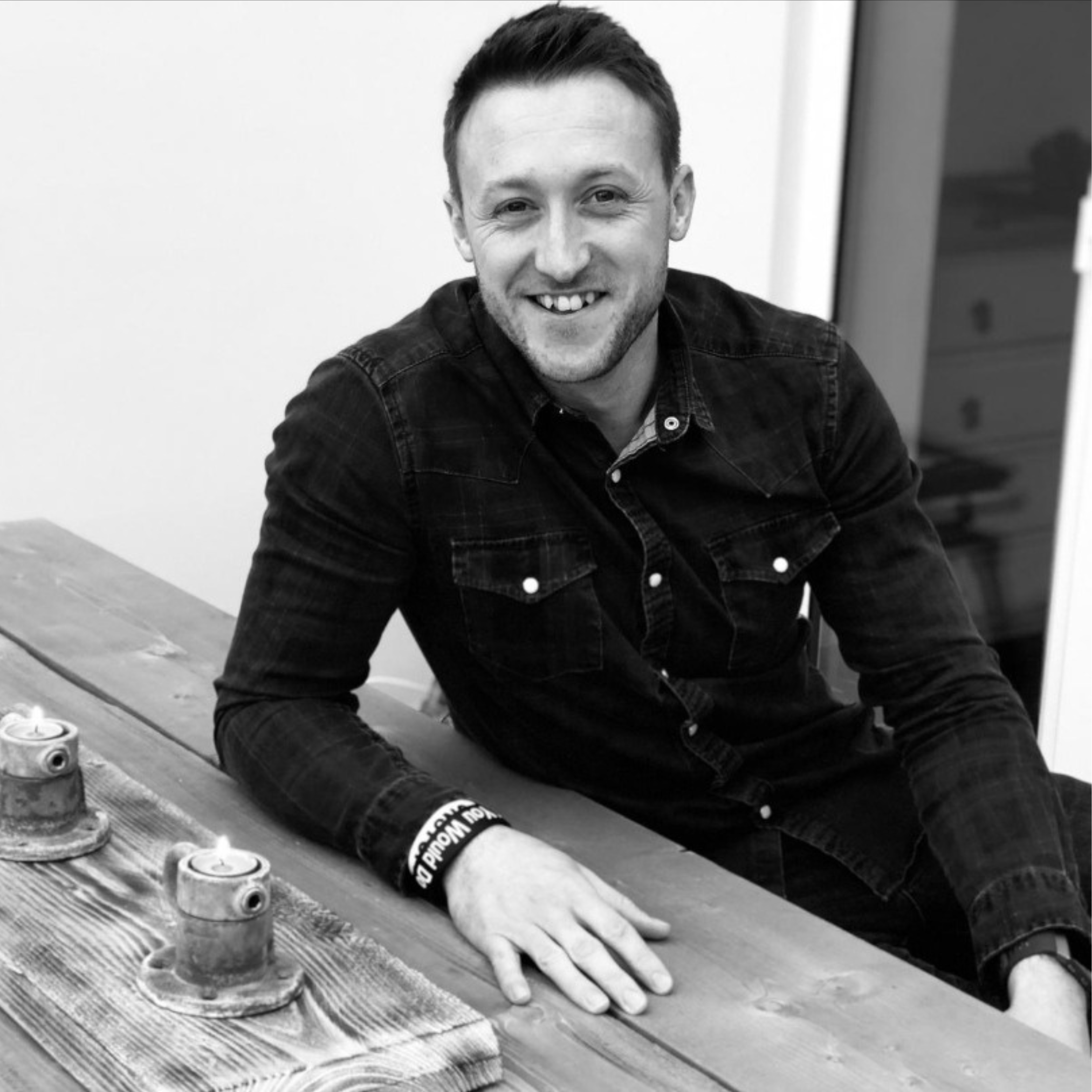
By Matt Brindley.
In short
There's more than one route. You can aim to cut down or to stop. Both are recognised goals in UK guidance.
Check first: If your body depends on alcohol, stopping or cutting down too fast can be dangerous. Speak to your GP or local alcohol service before you change anything.
Four medicines are used in the UK: acamprosate, naltrexone, nalmefene and disulfiram. A doctor decides whether any of them suit you.
The Sinclair Method uses naltrexone differently. It's taken before drinking, while you're still drinking. That's outside its usual NHS use, so it's hard to get on the NHS and usually prescribed privately.
Rehab is one option, not the only one. Residential rehab is for people with the most complex needs. Most people get help while living at home.
Medicine works best with support. Every UK guideline pairs it with talking therapy, coaching or a support group.
Most of it is free on the NHS. Your GP or local alcohol service is a good place to start. Private options exist too.
Emergency: a seizure, confusion, or seeing or hearing things that aren't there after stopping or cutting down means call 999.
Start with your goal: cutting down or stopping?
For a long time, treatment meant one thing: stop completely. That's still the right goal for many people, especially if your body depends on alcohol.
It isn't the only one. For harmful drinking or mild dependence, NICE says a doctor should consider moderate drinking as the goal, unless you'd prefer to stop.
NICE also says services shouldn't turn people away because they don't want to stop completely.
The World Health Organization's disease classification recognises the same thing. "Sustained partial remission" means drinking significantly less for a year or more, to the point where you no longer meet the criteria for dependence.
Your goal can change along the way. What matters is choosing one with someone who can see the whole picture.
Is it safe to stop or cut down on my own?
Not always. If your body has come to depend on alcohol, stopping or cutting down too fast can cause withdrawal, and that can mean seizures or delirium tremens.
If you get the shakes, sweats or nausea without a drink, need a drink in the morning, or drink heavily every day, speak to your GP or local alcohol service first.
Our page Do I need a detox? explains how to tell, and what to do first. Alcohol withdrawal medication in the UK explains the medicines used for a detox, which are different from the ones below.
Medication for alcohol: the options compared
UK doctors use four medicines to help with drinking itself. Acamprosate, naltrexone and disulfiram are mainly used to help you stay alcohol-free once you've stopped. Nalmefene is the one licensed to help you cut down.
Some doctors also prescribe naltrexone to be taken before drinking. That's the approach behind The Sinclair Method, and it's outside the medicine's usual UK use.
The four medicines at a glance
Acamprosate | Naltrexone | Nalmefene | Disulfiram | |
|---|---|---|---|---|
Main goal | Staying alcohol-free | Staying alcohol-free (usual UK use); cutting down (targeted use, The Sinclair Method) | Cutting down | Staying alcohol-free |
How it's taken (usual UK use) | Daily | Daily | On days you might drink | Daily |
Usually started | After you've stopped | After you've stopped | While you're still drinking | At least 24 hours after your last drink |
How it helps | Thought to ease the brain changes that make staying stopped hard | Reduces the reward from alcohol and helps with cravings | Works on the same reward system, to reduce how much you drink | Makes you feel ill if you drink |
Worth knowing | Kidney function is checked | Liver is checked; it blocks opioid medicines | Not for moderate or severe dependence; blocks opioid medicines | Not suitable for some heart and mental health conditions |
A table can't tell you what's right for you. It's a starting point for a conversation with a doctor.
Acamprosate
One of the two first-choice medicines for preventing relapse in UK guidance.
It's taken daily, usually starting soon after you've stopped drinking, and it can be started before or during a detox.
It's cleared by the kidneys rather than the liver, so a doctor will check your kidney function.
Naltrexone
The other first-choice medicine in UK guidance. Its usual UK use is as a daily medicine to help prevent relapse, once you've stopped drinking.
It blocks opioid medicines, including some strong painkillers and cough medicines, and taking it while dependent on opioids can cause dangerous withdrawal. A doctor will also check your liver.
The targeted approach. The Sinclair Method uses naltrexone differently. The difference is explained below.
Nalmefene
The one medicine licensed in the UK to help people cut down rather than stop. It's taken on days you think you might drink.
NICE recommends it for some adults with alcohol dependence who are drinking at high-risk levels, don't have physical withdrawal symptoms and don't need a detox, always with ongoing support.
It isn't suitable for moderate or severe dependence, and like naltrexone it blocks opioid medicines.
Disulfiram
A deterrent. If you drink while taking it, you feel ill: a headache, feeling sick, a high temperature, a racing heart.
It's usually a second choice, when the first-choice medicines aren't suitable, and it must not be started until 24 hours after your last drink.
How often are they prescribed?
In the 12 months to July 2026, GP practices in England issued about 171,000 prescriptions for acamprosate, about 20,000 for naltrexone, about 18,000 for disulfiram and about 1,000 for nalmefene (OpenPrescribing, NHS England data).
Two things to know about those numbers. They only cover GP prescribing, not hospitals or every specialist service. And some naltrexone prescriptions are for opioid problems, not alcohol.
They also vary a lot by area. Some parts of England prescribe these medicines many times more often per patient than others. In other words, it's a postcode lottery. See how your area compares.
Other medicines you might read about
Baclofen is sometimes used by specialists, for example for people with advanced liver disease. Topiramate and gabapentin appear in some research, but UK guidance says they aren't routinely used here.
Naltrexone on the NHS and The Sinclair Method: what's the difference?
It's the same medicine, used in two very different ways.
Usual NHS use | The Sinclair Method | |
|---|---|---|
When it's taken | Every day | Before drinking, on days you drink |
Do you stop drinking first? | Yes, usually | No. You start from wherever your drinking is today |
The goal | Staying stopped and preventing relapse | Weakening the urge to drink over time, so you drink less, or stop if you choose to |
Where it sits in UK guidance | A first-choice medicine in UK guidelines | Outside UK guidelines and outside how naltrexone is licensed here |
Who usually prescribes it | A specialist alcohol service, sometimes continued by your GP | Usually a private prescriber |
Why is it hard to get naltrexone for The Sinclair Method on the NHS?
It's off-label. UK naltrexone products are licensed for daily use after stopping (and some only for opioid problems), so taking it before drinking, while still drinking, is outside the licence. NHS supply notices say alcohol use of some products is off-label.
Doctors can still prescribe off-label, but the GMC says they must be satisfied there's enough evidence and take responsibility for your care. Many GPs choose not to take that on.
It's outside UK guidelines, which recommend daily naltrexone after stopping. NHS services follow those guidelines.
Local rules. In many areas, naltrexone for alcohol is started by a specialist service, not your GP.
It's rarely prescribed by GPs at all. GP practices in England issued about 20,000 naltrexone prescriptions in a year, for alcohol and opioid problems combined, against about 171,000 for acamprosate (OpenPrescribing).
None of that means your GP will say no. It's worth asking, and our free guide helps you prepare for that conversation. But it explains why most people who want The Sinclair Method end up going private.
Is private prescribing a real option?
Yes. A private prescriber can assess you for The Sinclair Method and, if they decide it's suitable, prescribe naltrexone to be taken this way. That's legal.
Before you choose one, check:
who the prescriber is, and that they're registered (GMC for doctors);
that they assess your health properly first, including your liver, any opioid medicines and whether your body depends on alcohol;
what the consultation and the medicine each cost;
what support comes with it. The method asks a lot of you over months, and doing it alone is hard.
Rethink Drink is one route. Our programmes include a consultation with an independent prescribing doctor, who decides whether treatment is suitable for you, with coaching around it. How to start with Rethink Drink explains each step.
Does it work?
Naltrexone has been studied in many trials, mostly of daily use, and the evidence for targeted use is real but more limited. We never promise results. Our page on what the trials show sets it out honestly, including its limits.
Medicine is half of it
Every UK guideline says the same thing: these medicines should come with support, not instead of it. NICE recommends them alongside a psychological intervention.
The medicine can work on the desire to drink. The habits, the routines, the stress, the Friday nights: that's the part support works on.
Rehab: residential and day programmes
Many people picture rehab when they think of alcohol treatment. It's a real option, but it's one of several, and most people get help while living at home.
Residential rehab. You live in a treatment centre, usually for several months, with daily structure, 24-hour support and a break from the people and places tied to drinking. It's usually focused on stopping completely. Programmes of 3 months or more are linked to better results.
Who it's for. UK guidelines say it should be available for people with the most complex needs, for example people who are homeless or who haven't been helped by treatment in the community.
Intensive day programmes. You live at home and attend 4 or 5 days a week, usually for 4 to 12 weeks. They suit people with stable housing and some support around them.
NHS or private. Rehab can be funded through your local alcohol service, after an assessment. Private rehab is also available. Costs vary widely, so ask exactly what's included, who the clinical staff are and what support continues after you leave.
A detox is different from rehab. A detox gets you safely through withdrawal, often in days. Rehab is the longer work that comes after.
Talking therapies, coaching and support groups
Talking therapies. NICE recommends psychological interventions such as cognitive behavioural therapy, focused on drinking, the thinking behind it and the people around you. Your local alcohol service can offer these.
Coaching. Practical, regular support to change your routines and track what's really changing. It isn't therapy, and it doesn't replace medical care.
Support groups. Alcoholics Anonymous is built on the 12 steps and abstinence. SMART Recovery uses practical tools to build motivation and change. Both are free.
For families. Al-Anon, Adfam and Nacoa (0800 358 3456) support the people around someone who drinks.
Our page on The Sinclair Method and AA compares two very different routes.
NHS or private: how to get help
Your GP. A good first step. Treatment is free on the NHS, apart from prescription charges in England (£9.90 per item in 2026/27; prescriptions are free in Scotland, Wales and Northern Ireland).
Your local alcohol service. Free, confidential assessment, detox, referral to rehab and ongoing support, and in many areas you can refer yourself: find one in England. In Scotland, Wales or Northern Ireland, see Alcohol Change UK's list of local services.
A private service. A private prescriber can assess whether a medicine is suitable for you, including approaches the NHS doesn't usually offer. Before you pay, check who the prescriber is, what the consultation includes, what the medicine costs and what support comes with it.
Can I buy these medicines without a prescription? No. They're all prescription-only in the UK. Websites selling them without a proper consultation skip the safety checks (liver, kidneys, opioid medicines) and may sell fakes.
Which option is right for me?
There's no single best route… That might sound funny from an organisation that specialises in The Sinclair Method; but, it depends on your goal, your health, any other medicines you take and what you've tried before. As a rough guide:
If your body depends on alcohol, the first step is usually medical help to stop safely, then support to stay stopped.
If you want to stop and you've already stopped, acamprosate or naltrexone with support is the usual NHS route.
If you want to cut down and you're not physically dependent, moderate drinking with support is a recognised goal, and nalmefene or targeted naltrexone may be discussed.
If your needs are complex, for example housing problems or treatment that hasn't worked in the community, residential rehab may be right.
If you want to try The Sinclair Method, you'll usually need a private prescriber, plus support around it.
If you've tried stopping before and it didn't last, say so. It changes what a doctor will suggest.
Whatever you choose, a doctor decides whether a medicine is right for you.
Common questions
What is the best medication to stop drinking?
There isn't one best medicine. Acamprosate and naltrexone are the first choices in UK guidance for staying stopped, and nalmefene is licensed for cutting down. A doctor helps you choose.
Is there a pill to help me drink less, not stop?
Nalmefene is licensed for that in the UK. Naltrexone is also used this way, outside its usual UK use, in The Sinclair Method.
Do I have to stop drinking before treatment?
For acamprosate, disulfiram and the usual use of naltrexone, usually yes. For nalmefene and targeted naltrexone, no. If your body depends on alcohol, a doctor needs to look at that first either way.
Will my GP prescribe it?
Sometimes. Many GPs refer people to a local alcohol service first, often because of local prescribing rules.
Can I get naltrexone for The Sinclair Method on the NHS?
It's possible but uncommon. Taking naltrexone before drinking is outside UK guidelines and outside its licence, so most NHS doctors won't prescribe it this way. Most people go to a private prescriber.
Do I need rehab?
Most people don't. Residential rehab is for people with the most complex needs. Many people get help from their GP, a local alcohol service, medicine, therapy or coaching while living at home.
What is medication-assisted treatment for alcohol?
Using a prescribed medicine together with counselling or support. In the UK, the NHS calls these medicines for alcohol use disorder.
Is alcohol treatment free on the NHS?
Yes. Assessment, detox, talking therapies and medicines are free, apart from prescription charges in England.
If you'd like support from us
Rethink Drink is a UK coaching service built around The Sinclair Method. Our programmes include a consultation with an independent prescribing doctor, who decides whether treatment is suitable for you. Any prescription is dispensed by an independent partner pharmacy. Our coaches work on everything around it.
Start with the free mini course or book a free call.
Please look after yourself
This page is here to help you understand your options. It isn't medical advice, and it can't replace a conversation with a doctor who knows you. Before you change how much you drink or start any medication, speak to your GP or a prescriber.
I hope this post has been useful, if you have any questions or would like to learn more, you can contact me here.
Matt
Sources
NICE. Nalmefene for reducing alcohol consumption in people with alcohol dependence (TA325).
Department of Health and Social Care. UK clinical guidelines for alcohol treatment, chapter 10: pharmacological interventions. Updated 17 April 2026.
NHS. Alcohol use disorder. Last reviewed 24 April 2026.
NHS. Alcohol support. Last reviewed 17 August 2026.
Bennett Institute for Applied Data Science, University of Oxford. OpenPrescribing (NHS England prescribing data, August 2025 to July 2026).
Community Pharmacy England. NHS prescription charges frozen for the second year running. 21 November 2025.
Department of Health and Social Care. UK clinical guidelines for alcohol treatment, chapter 14: residential treatment and intensive structured day programmes. Updated 17 April 2026.
General Medical Council. Prescribing unlicensed medicines.
NHS North East London. Medicine supply notification MSN/2024/087: naltrexone 50mg tablets. 22 August 2024.
World Health Organization. ICD-11, alcohol dependence remission categories.